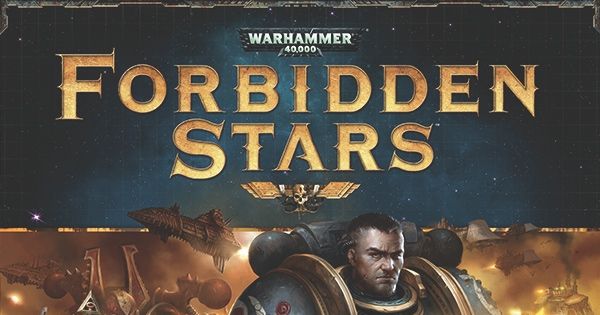
Setup and teardown gets its own paragraph here because it has to: this is genuinely one of the bigger time commitments on my shelf, and I say that as someone who owns Frosthaven. Budget a real evening, four hours is the honest average once your group knows what it’s doing, longer with new players, and don’t even consider fitting it into a weeknight unless everyone’s already fluent. One reviewer’s plain warning, “THIS IS A FOUR HOUR GAME,” in caps, in a review otherwise gushing about how much they loved it, is about the most useful sentence anyone’s written about this box.
What you get for that time is, on a good night, one of the best area-control war games I’ve played, full stop. The order token system is the real star, you secretly stack command tokens on top of each other across the board’s sectors, and whoever’s token ends up on top of a given stack goes first, which means you can bluff, block, and outguess an opponent purely through the sequence you commit tokens in, no cards, no dice, just nerve. Combined with a combat system where you roll dice once and then spend three full rounds fighting over the result using upgradeable cards, it’s genuinely tense in a way most area-control games with a similar footprint aren’t.
Teachability is a real mixed bag, and I want to be fair to both sides of this. The core rules are clear enough on their own, several people describe the rulebook as well laid-out. The problem is that no individual system is hard, but there are a lot of systems, order tokens, combat cards, tactics upgrades, warp storms limiting movement, objective claiming, and stacking all of that at once is, in one reviewer’s words, “an assault on the brain trying to learn it or teach it,” even when no single piece of that assault is complicated by itself.
Where it loses real points, and where I’ve had a genuinely bad session myself, is combat downtime at higher counts. With two players it’s tense and fast. With three or four, whoever isn’t currently in a fight is just watching, sometimes for a long stretch, and more than one player has flagged this specifically as the thing that pushes an otherwise great game into feeling bloated. I’ve had one four-hour session with three newer players that dragged in exactly the way the critics describe, and one three-and-a-half-hour session with an experienced group that flew by. This is a game where your group’s familiarity with the system matters as much as the system itself.
Four stars. When it’s clicking, with a group that already knows the rules and preferably at two or three players, this is a genuinely brilliant, tense war game with one of the smartest turn-order mechanisms I’ve seen. Go in undersold on the time commitment and oversold on the rules complexity, and you’ll have a bad first night. Go in with the right expectations, and I think it earns every one of its four hours.